
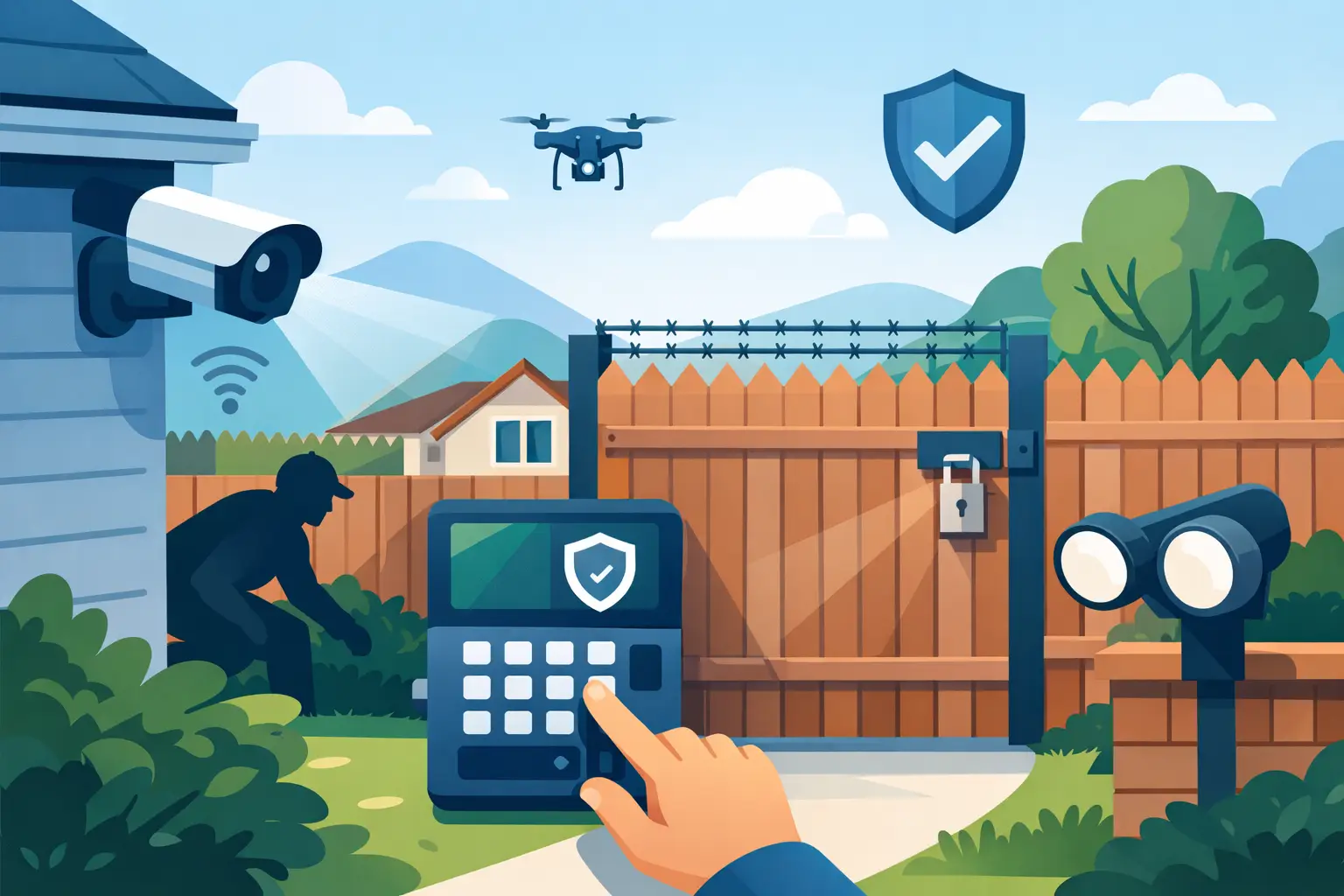
A backyard should be the part of your property where kids can play, dogs can run, and you can relax without wondering whether a gate was left open or a weak fence panel is about to give way. Knowing how to secure a backyard perimeter starts with an honest look at what you need the space to do: create privacy, contain pets, protect children, discourage trespassing, define a boundary, or all of the above.
For New Jersey homeowners, the best answer is rarely a single product. A secure perimeter is a system made up of the right fence, properly installed posts, dependable gates, clear property lines, and routine maintenance. The details matter because a beautiful fence that has loose hardware or gaps near the ground is not doing its full job.
Start with the Purpose of Your Perimeter
Security means different things from one property to the next. A family with a large dog may be most concerned with a fence height and gate latch that prevent an escape. A homeowner beside a busy road may want solid privacy panels that block sightlines and create a stronger physical boundary. A commercial property may need chain-link, ornamental fencing, access gates, and a layout that controls entry points.
Before choosing a material, walk the entire yard and identify the weak spots. Look for open corners, changes in grade, low areas where a dog could dig, branches that provide easy access over a fence, and gates that are hidden from view. Also consider where people naturally enter the property. The side-yard gate, driveway edge, and rear property line often deserve more attention than the front of the home.
Property lines should be confirmed before installation begins. Do not assume an old fence marks the legal boundary, especially if it was installed by a previous owner. A survey or clear boundary documentation can prevent expensive disputes and make sure your new fence protects the space you actually own.
Choose a Fence That Matches the Security Need
The fence material and style should fit both the level of security you need and the look of your home. Height, strength, visibility, and maintenance all play a role.
Privacy Fencing for Enclosed Outdoor Living
Vinyl, wood, cedar, composite, and privacy-slat chain-link fencing can help create a more enclosed yard. Solid panels reduce visibility from neighboring lots and public areas, which can make a yard feel more private and less inviting to casual passersby. Privacy fencing is especially useful around patios, pools, play areas, and backyards that sit close to other homes.
Wood offers a traditional look and can be customized in height and style, but it needs periodic care to protect it from moisture, rot, and insect damage. Vinyl is low-maintenance and clean-looking, while composite materials can offer the appearance of wood with added durability. The right choice depends on your budget, desired appearance, and how much maintenance you are willing to take on over the years.
Aluminum and Ornamental Iron for Visibility and Strength
Aluminum and ornamental iron fencing are strong choices when you want a defined boundary without closing off the view. They work well around pools, landscaped yards, and homes where curb appeal matters as much as security. Their open design makes it easier to see activity around the perimeter, which can be useful near driveways, rear access points, or commercial lots.
These options do not provide privacy on their own. If sightline control is your primary goal, they may be better paired with landscaping or used in areas where visibility is an advantage.
Chain Link for Practical Containment
Chain link remains one of the most practical options for secure containment. It is cost-effective, durable, and especially useful for pets, side yards, larger properties, and commercial applications. A properly installed chain-link fence with tension wire, strong terminal posts, and a secure gate can provide dependable everyday protection.
Privacy slats can change the appearance and add visual screening, but they do not turn chain link into a solid privacy fence. Consider what matters more for your yard: airflow and visibility, or full screening from neighbors and passersby.
Height and Post Depth Are Security Details, Not Extras
A fence is only as secure as the structure holding it up. Posts that are too shallow, poorly set, or spaced incorrectly can shift during freeze-thaw cycles, high winds, and seasonal ground movement. That creates leaning panels, sagging gates, and gaps that compromise the perimeter.
Fence height should reflect the job it needs to do. A shorter decorative fence may define a property line, but it will not contain a large dog or discourage someone from stepping into the yard. Taller fencing usually provides better containment and privacy, though local zoning rules and homeowner association requirements may limit allowable heights and placement.
For pet owners, pay close attention to the bottom edge. Even a small gap can become an exit route for a determined dog. Depending on the yard and animal, a contractor may recommend adjusting the fence to follow the grade, reinforcing low areas, or using measures that discourage digging along vulnerable sections.
Make the Gate Your Strongest Access Point
Most perimeter failures happen at the gate. A fence can be in excellent condition, but a gate with a weak latch, loose hinges, or a wide gap beneath it gives pets, children, and unwanted visitors an easy way through.
Choose a gate that is built to match the fence material and opening size. Wide gates need proper bracing so they do not sag over time. Self-closing and self-latching hardware is a smart choice for families with children, particularly around pools. A lockable latch can add another layer of control for side yards, storage areas, and gates that face public access points.
The gate should swing freely without dragging, but it should not leave an opening beneath it. Test it after heavy rain and again as seasons change. New Jersey weather can expose alignment problems that were not obvious on installation day.
Add Lighting Where It Helps Most
Lighting does not replace fencing, but it makes a secured perimeter easier to monitor and use safely after dark. Focus on the places where people approach or move through the yard: gates, side-yard paths, rear doors, garage access, and dark corners near sheds or landscaping.
Motion-activated lighting can be practical for side and rear areas because it provides light when needed without keeping the whole yard bright all night. Steady pathway lighting helps family members and guests see where they are walking. Avoid placing lights where they shine directly into neighbors' windows or create glare that makes it harder to see beyond the fence line.
Trim back dense shrubs and low tree limbs near the fence as well. Landscaping should support security, not create concealed access points or push against fence panels. Keep plants far enough from the structure to allow inspection and future repairs.
Inspect the Perimeter Before Small Problems Grow
A secure backyard requires occasional attention. Walk the fence line at least twice a year and after major storms. Check for loose boards, cracked vinyl, damaged rails, rusting hardware, leaning posts, holes in chain link, and gaps under the fence. Open and close every gate rather than assuming it still latches correctly.
Watch for soil erosion around posts and water that collects along the fence line. Standing water can shorten the life of wood posts and shift soil around any type of fence. If a section begins to lean or a gate starts sticking, handling the repair early is usually simpler and more affordable than waiting for a complete failure.
For older fences, repairs can sometimes restore the protection you need. In other cases, repeated repairs are a sign that replacement is the better long-term investment. An experienced local contractor can assess the posts, rails, panels, and gate hardware rather than treating every problem as a quick cosmetic fix.
Build a Perimeter That Works Every Day
The best backyard security plan should not make your property feel closed in or difficult to use. It should make daily life easier: the dog stays safely in the yard, the gate closes properly behind the kids, and your property line is clear without taking away from your home's appearance.
Northeast Fencing, LLC helps New Jersey homeowners choose and install fencing that fits their property, safety goals, and budget. Whether the priority is privacy, pet containment, pool safety, or a stronger boundary, the right installation gives you confidence long after the crew has left.
A secure perimeter is not about making a backyard feel unwelcoming. It is about creating a space that belongs to your family, works the way you need it to, and holds up through the seasons.