
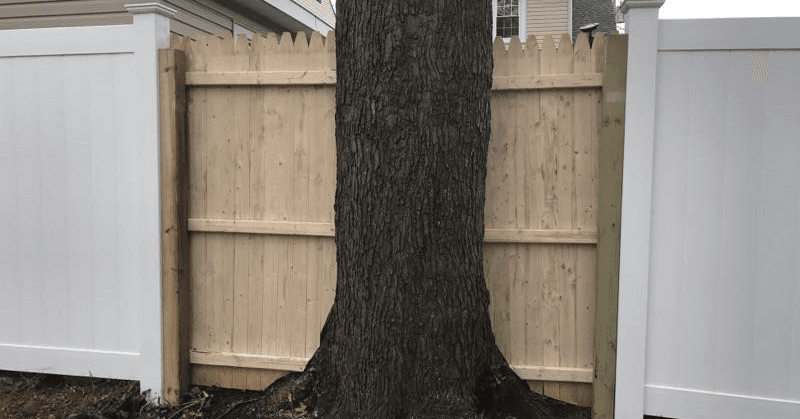
I have lived in Jersey all my life and have seen numerous fences come and go. Be it busy Newark or Cape May down by the shore, deciding on a correct fence for your property is not a minute decision. New Jersey's weather fluctuates from scorching summers to icy winters, and anything in its path will surely be put to the test.
Before we get into the face-off of the fences, let us first talk about what makes the New Jersey weather so harsh on our outdoor structures.
Temperature Rollercoaster
If there's one thing we Jersey folks know, it's that our weather loves to keep us on our toes. One day you're bundled up like you're trekking through the Arctic, and the next you're sweating through your Giants jersey. The wild temperature swings aren't just hard on us—they're tough on our fences too.
All this constant expansion and contraction with the variation in temperature can cause warping, cracking, and a host of other issues in fencing materials. I remember one crazy winter where my neighbor's wooden fence seemed to be doing the wave after a series of freeze-thaw cycles!
Humidity and Rain
The humidity isn't a joke in New Jersey, especially if you're down south or along the coast. Add in our share of rainy days and you have the perfect storm for moisture-related fence issues: high humidity causing wood to swell and warp, and excess rainwater causing rot and decay if not properly managed.
Snow and Ice
Winter in New Jersey does not joke around. The heavy snowfall lays a great deal of weight on the fences, and the freeze-thaw cycle is especially damaging. I will never forget that winter back in 2014; after some pretty nasty ice storms, my cousin's beautiful wooden fence resembled something similar to standing popsicle sticks.
Windy Conditions
For those of us living near the coast or in areas prone to strong winds, our fences need to be prepared to stand their ground. From summer thunderstorms to nor'easters, New Jersey winds know how to give any fence a run for its money.
The Strengths and Weaknesses of Wood Fencing in NJ
Natural Aesthetic Appeal
Something is undeniably charming about a wood fence. It's like that white picket fence of the American dream, with a Jersey twist. Wood fencing can give your property that classic, inviting look that many homeowners look to achieve.
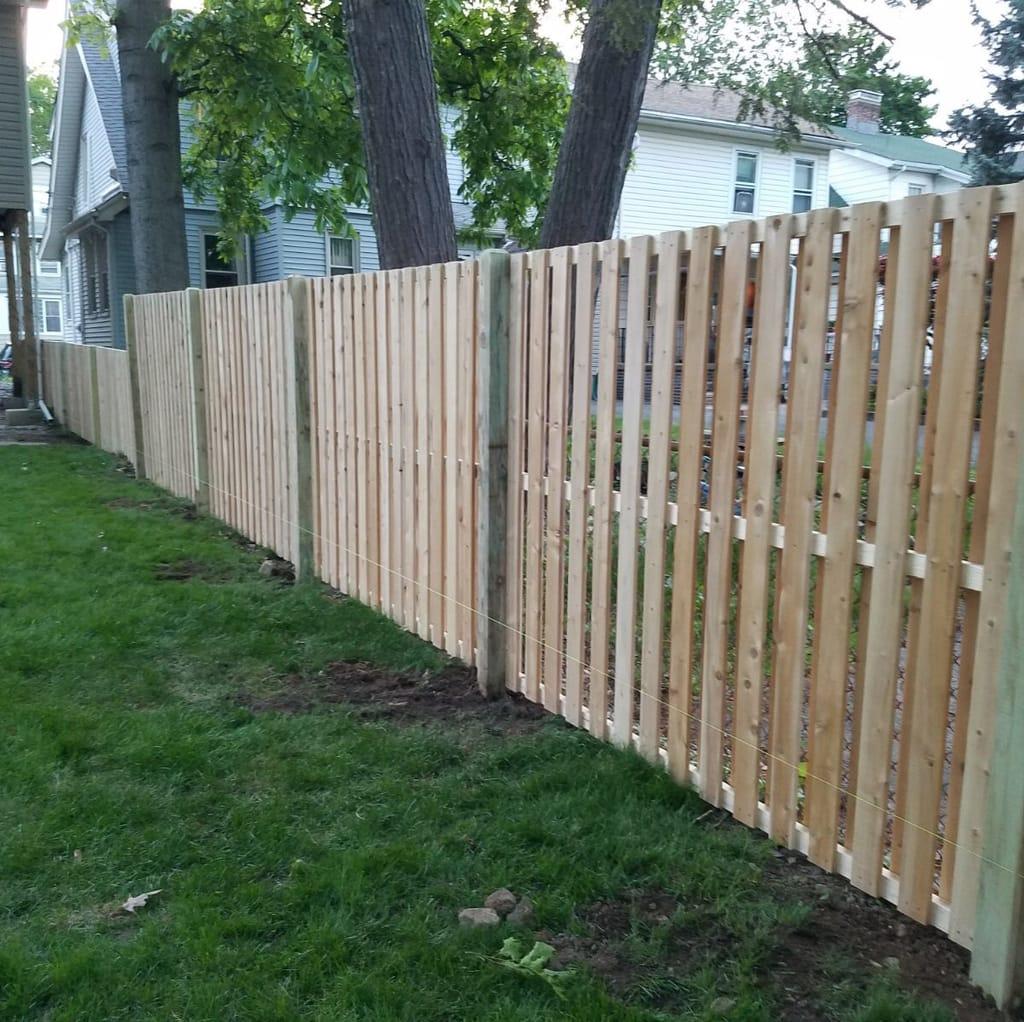
Impact of NJ Climate on Wood
Rot and Decay
Unfortunately, our great Jersey weather is not always wood-friendly. In highly humid areas or those receiving excessive rain, the wood fences could be subject to decaying or rotting. I learned this the hard way when, after a few years, I had to replace several posts in my old cedar fence – turns out my sprinkler system was a bit too eager!
Maintenance Needs
Owning a wood fence in New Jersey means committing to a relationship of sorts: You'll have to seal or stain it on a regular basis so it doesn't succumb to the elements. For busy families, or ones that would rather spend their free time at the shore, this is a big drawback.
Durability Over Time
New Jersey's winters are quite harsh on wooden fences. Continuous freezing and thawing cause warping, splitting, or cracking if the wood has not been properly treated. I have seen many fences that, after a few such difficult winters, start to resemble a crooked smile.
Pest Problems
In fact, termites could be a huge problem in wooded areas for your new wooden fences here in our humid climate. And if anything, that's just the worst when you realize it has become an all-you-can-eat buffet for those tiny little destroyers.
Strengths and Weaknesses of Vinyl Fencing in NJ
Low Maintenance Advantage
For those of us who would rather be inside enjoying a Taylor ham, egg, and cheese than outside tending to a fence, vinyl is often a godsend. This low maintenance can be one of its major selling points to busy New Jersey homeowners.
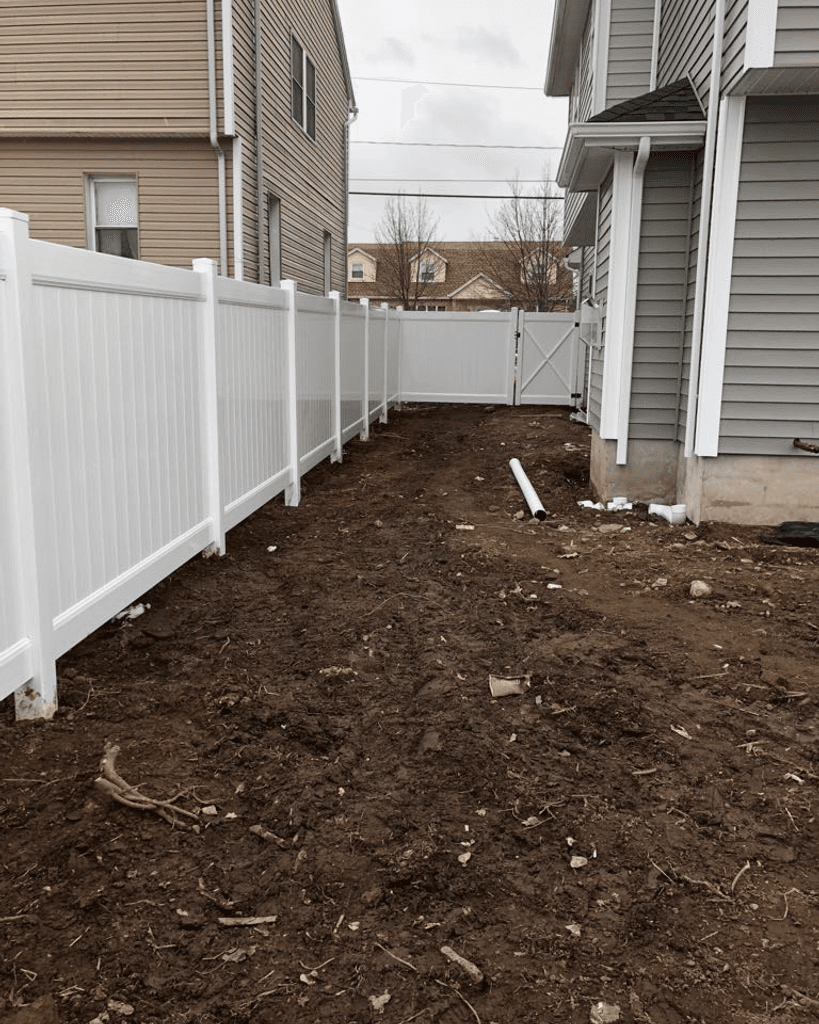
NJ Climate Impact on Vinyl
Heat Resistance: Summer Strong
Vinyl fences can certainly take the hot Jersey summers in stride. They might expand due to the heat, but they do not crack or splinter like wood will. I specifically recall my neighbor putting his vinyl fence up, and from the beginning of May through the end of August, that thing still looked pristine.
Cold Weather and Vinyl: The Winter Watch
It's important to note that some vinyl fences start to get a bit brittle when the temperature starts freezing. They can crack during extremely harsh winters in New Jersey. However, most modern vinyl fences are designed to be much more resistant in such conditions than their ancestors.
Wind Resistance: Standing Strong
For those living near coastal or high-wind storm areas, the scales are generally tipped in vinyl fences' favor. They are designed to flex slightly in high winds, which can help prevent damage during those intense Jersey storms.
Aesthetic Flexibility: Style for Days
One thing I like about vinyl fencing is the various styles one can have. Whether your aim is for that classy look in Princeton or a modern touch in Hoboken, chances are there could be a vinyl fence that suits your taste.
Maintenance Comparison: The Battle of Upkeep
Wood Maintenance in NJ: The Constant Caretaker
Owning a wood fence in New Jersey is a little like having a high-maintenance pet. You have to be diligent about staining, painting, and regular inspections. After each major storm, you will want to check for any damage or loose boards.
Vinyl Maintenance in NJ: The Low-Key Lifestyle
By contrast, a vinyl fence is more like that pet rock: pretty low maintenance. A little soap and water wash every now and then is typically all it takes to keep it looking new. Plus, it's resistant to mold, mildew, and those pesky little termites we talked about a minute ago.
Long-Term Costs and Durability: Playing the Long Game
Lumber Life Expectancy: The Ten-Year Question
While a well-maintained wood fence can be an attractive feature, in New Jersey's climate, you might be looking to replace it after 15-20 years, particularly in those areas that can be more prone to moisture or severe changes of weather. I had a friend from Toms River who, in the span of 20 years, replaced his wooden fence twice due to damage from storms and general wear and tear.
How Long Will Vinyl Last? The Marathon Runner
Vinyl fences are in it for the long haul: Many can last 20+ years, even in our challenging climate. That could make them a smart investment despite a higher cost.
When all the costs of installation, maintenance, and possible replacement are factored in, vinyl is generally an option that is more viable in the long run. But for all wood lovers who do not mind the upkeep the material does need, higher maintenance could be well worth it.
Environmental Impact: Green Considerations
Is Wood Sustainable? The Eco-Friendly Option
For the ecologically conscious, there are also a number of wood fences manufactured from trees harvested in a highly sustainable manner. The various long-term treatments and stains that would keep the fence functional may have environmental costs of their own, however.
Vinyl's Impact: The Long-Term Perspective
While vinyl manufacturing is not the "greenest" of processes, the toughness and low-maintenance nature of vinyl fencing can easily be seen as a form of sustainability. Fewer replacements also equate to less overall use of resources in the long term.
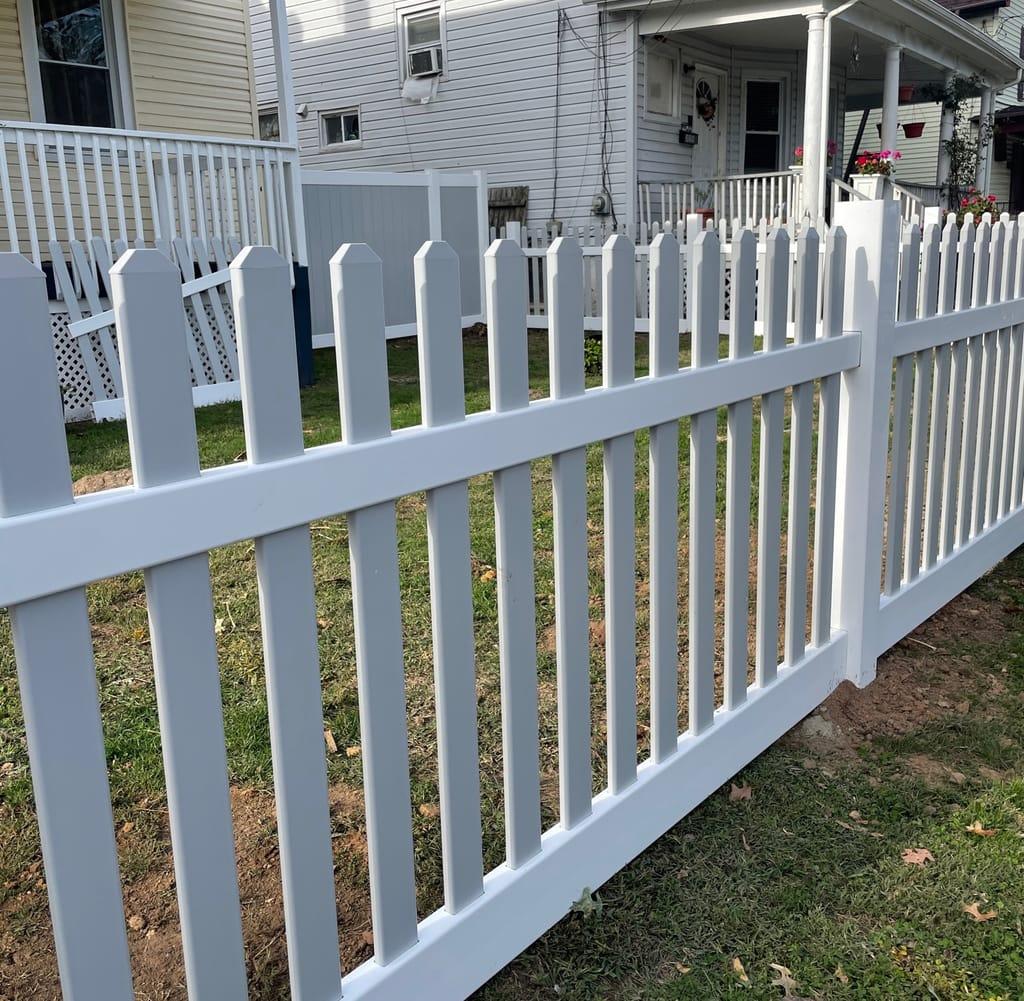
Conclusion: Which Fence Is Right for Your NJ Home?
With all these factors at hand, the choice between a wood fence and vinyl fencing in New Jersey ultimately depends on what you consider your priorities, your lifestyle, and your specific location.
If you're about that classic, natural look and don't mind putting in the elbow grease to keep it up, then a wood fence is right up your alley. It's perfect for those homeowners who take pride in the look of their property and who don't mind putting the time into its upkeep.
On the other hand, if you are in search of something low-maintenance that would be able to handle Jersey's toughest weather without breaking a sweat—or your back—vinyl might be the way to go. It's great for families who are busy, for coastal properties, or for anyone who wants to set it and forget it when it comes to their fence.
Ultimately, the best fence for your New Jersey home is one that will suit all of your specific needs. Consider such things as your property's exposure to elements, the amount of maintenance you want to perform, and a long-term budget.
And, of course, whether one resides in Sussex County, where heavy snow can fall, or down in Cape May, with its salt air, it may always be a good idea to consult a professional fencing contractor. They can evaluate your property's specific needs and help determine what will be the best choice for your piece of the Garden State.