Northeast Fencing, LLC

Northeast Fencing, LLC

Pine Fences

Affordable and Versatile Fencing Solution!

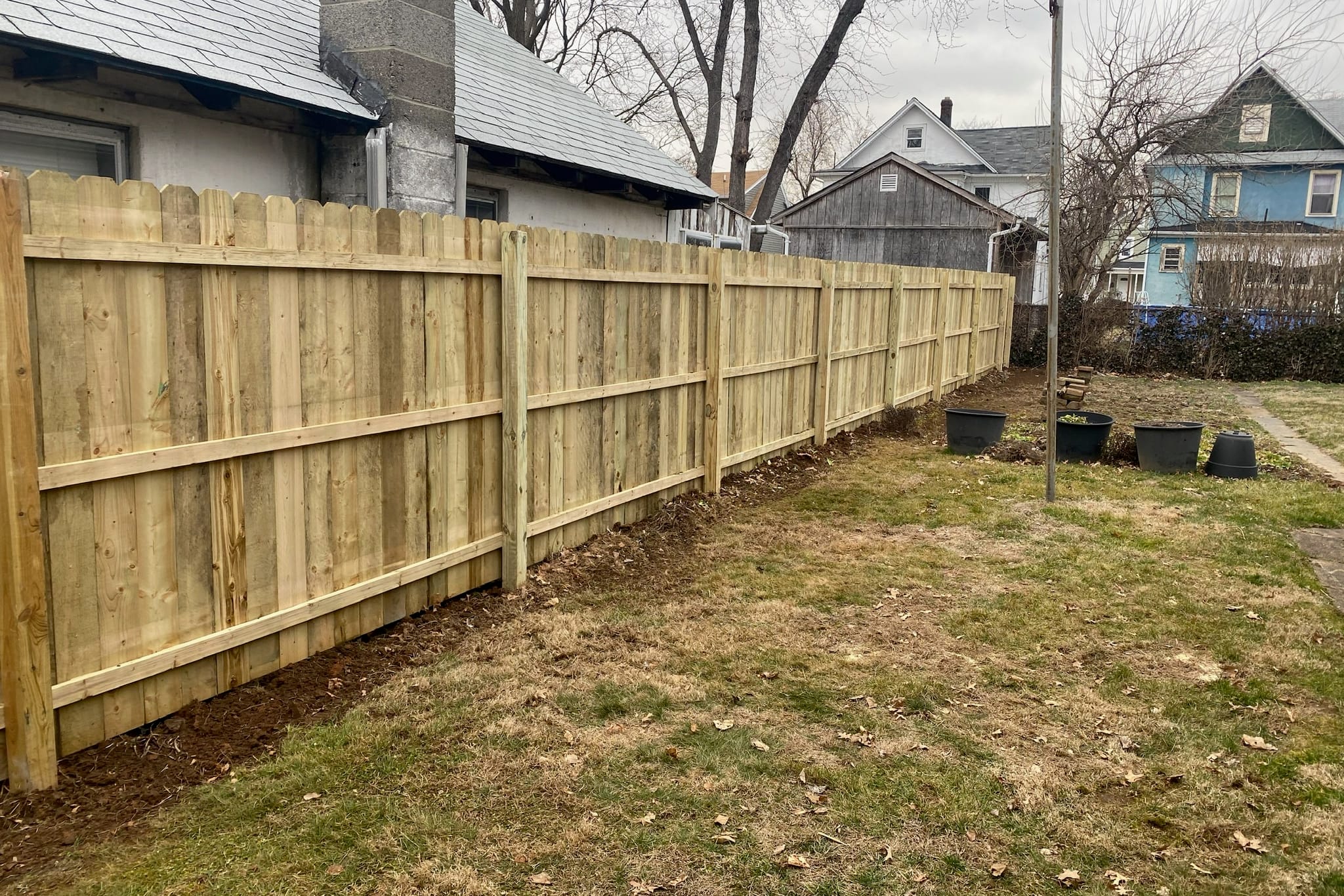
New pine stockade privacy fence with pointed pickets around a backyard

Pine Fences in New Jersey

Pine fences are an excellent choice for those looking to add a durable, attractive, and cost-effective barrier to their property. Pine is a widely available wood that is often more affordable than cedar, making it a popular choice for budget-conscious homeowners and businesses. Pine fences are not only aesthetically pleasing but also offer practical benefits such as durability and resistance to the elements, especially when pressure-treated.

Benefits of Using Pine for a Fence

The reasons pine is regarded as one of the best wood fencing materials include the following:

1. Affordability

One of the primary advantages of pine fences is their affordability compared to other types of wood, such as cedar. Pine is generally less expensive due to its abundance and fast growth rate. This cost-effectiveness makes pine an attractive option for those who want a quality fence without breaking the bank.

2. Suitable for Humid Climates

Pine performs exceptionally well in humid climates. Unlike some other woods that may warp or deteriorate quickly in moist conditions, pressure-treated pine is resistant to humidity. This makes it an ideal choice for regions with high moisture levels, ensuring your fence remains sturdy and intact for many years.

3. Soil Resistance

Pine is naturally resistant to soil-related issues. When pressure-treated, pine becomes even more resilient against rot, decay, and insect infestation. The chemical treatment process involves infusing the wood with preservatives that protect it from the elements, making it a reliable choice for fence posts that are in constant contact with the ground.

4. Ease of Procurement
Pine is one of the most readily available woods on the market. Its widespread availability means that you can easily source high-quality pine for your fencing needs. This also contributes to its cost-effectiveness, as there is a steady supply to meet demand.
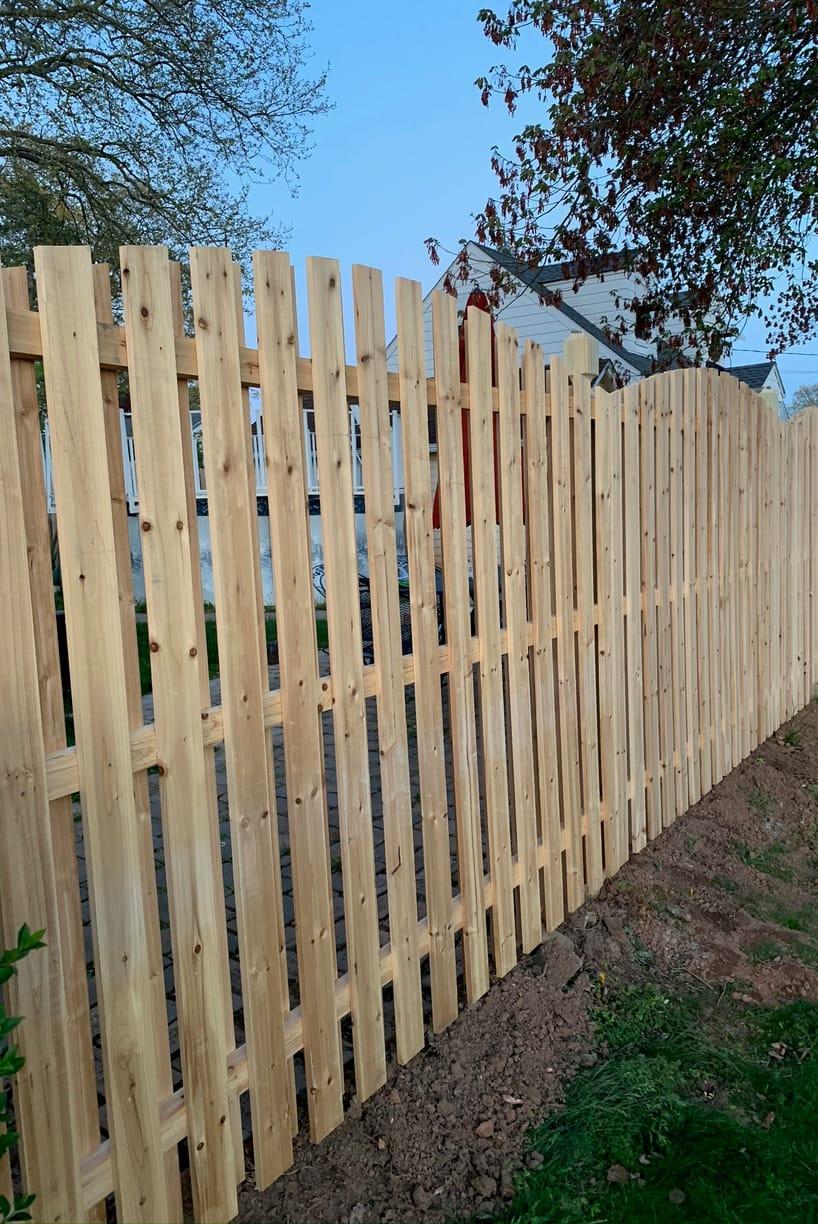
Natural wood shadowbox fence with alternating vertical boards beside a yard
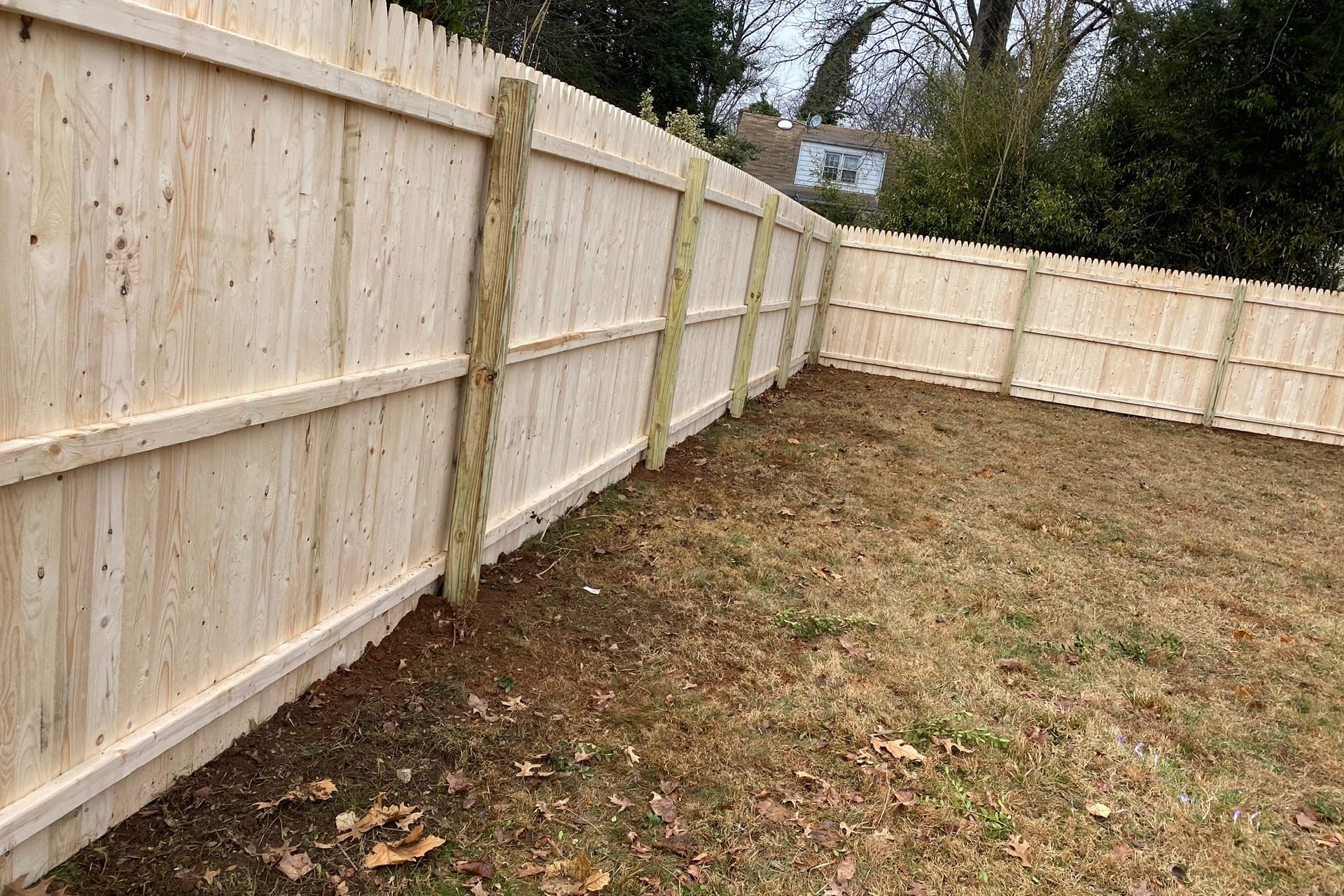
New wood privacy fence running along a backyard

Maintenance of Pine Fences

Maintaining a pine fence is relatively straightforward, but it does require some attention to ensure it remains in optimal condition for many years. Here are some key maintenance tips:

Regular Cleaning

To maintain the appearance and longevity of your pine fence, it’s essential to clean it regularly. Dirt, mildew, and other contaminants can accumulate on the surface, leading to deterioration over time. Use a mild detergent and water to clean your fence annually. For tougher stains, a pressure washer can be used, but be cautious not to damage the wood with high pressure.

Staining & Painting

Staining or painting your pine fence can provide an extra layer of protection against the elements. A good-quality stain or paint can help seal the wood, preventing moisture from penetrating and causing rot. It’s recommended to reapply the stain or paint every few years to keep the wood protected and looking its best.

Inspect for Damage

Regularly inspect your fence for signs of damage, such as cracked or split boards, loose nails, or leaning posts. Addressing these issues promptly can prevent more significant problems from developing. Replace damaged boards and secure any loose components to maintain the structural integrity of your fence.

Protecting the Base

The base of your fence posts is particularly vulnerable to moisture and soil-related issues. Ensure that the posts are set in concrete and have proper drainage to prevent water from pooling around the base. This will help prevent rot and prolong the life of your fence.

Trim Vegetation

Keep plants and bushes trimmed away from the fence to allow for proper air circulation. This helps to prevent mold and mildew growth, which can damage the wood over time.

By following these maintenance practices, you can significantly extend the lifespan of your pine fence and keep it looking beautiful for many years.

Pine Fence FAQs

Is pine a good choice for fencing in humid climates?
Yes, pressure-treated pine is an excellent choice for humid climates. The treatment process makes it resistant to moisture, preventing warping, rot, and decay.
How often should I stain or paint my pine fence?
It’s recommended to stain or paint your pine fence every 2-3 years. This helps protect the wood from moisture and UV damage, prolonging the life of the fence.
What is pressure-treated pine?
 Pressure-treated pine is wood that has been infused with chemical preservatives under high pressure. This process enhances the wood's resistance to rot, insects, and moisture, making it more durable for outdoor use.
Can pine fences be customized?
Yes, pine fences can be easily customized to suit your aesthetic preferences. They can be stained or painted in various colors and styles, including picket, privacy, and post-and-rail designs.
How long does a pressure-treated pine fence last?
The lifespan of a pine fence largely depends on how well it is maintained and whether it has been pressure-treated. Pressure-treated pine fences are infused with preservatives that help protect the wood from rot, insects, and moisture. With proper maintenance, a pressure-treated pine fence can last anywhere from 10 to 17 years or more. Regular inspections, cleaning, and treatments can extend its life even further.
What are the main benefits of choosing a pine fence over cedar?
Pine fences are more affordable than cedar and are easier to procure. While cedar is naturally resistant to decay and insects, pressure-treated pine offers similar benefits at a lower cost.
(732) 379-9764Get a Free Quote