
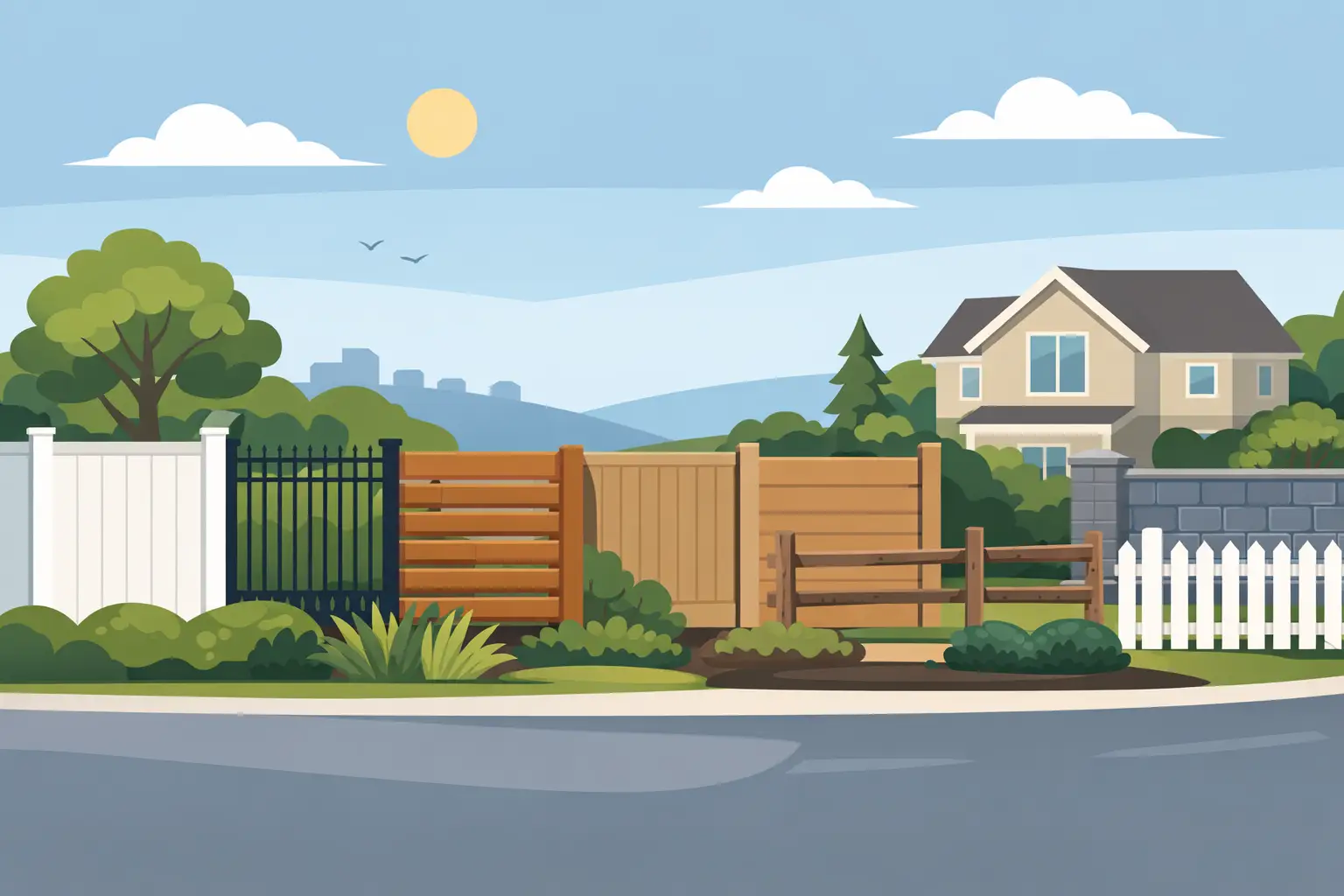
A fence should give you privacy, safety, and a finished-looking yard, not another weekend chore. The best low-maintenance fences hold up through New Jersey humidity, summer sun, heavy rain, and winter freeze-thaw cycles with minimal scraping, staining, tightening, or repainting.
For most homeowners, the right choice comes down to the look you want, the level of privacy you need, and how much upkeep you are willing to take on years from now. Vinyl, aluminum, composite, and certain chain-link options all make a strong case. The best material is not always the one with the lowest upfront price. It is the one that fits your property and continues working without demanding constant attention.
What Makes a Fence Low Maintenance?
A low-maintenance fence resists the issues that commonly wear down outdoor materials: moisture, insects, rust, fading, warping, and loose hardware. It should also be easy to clean when pollen, mud, grass clippings, or mildew show up.
That does not mean maintenance-free. Every fence benefits from an occasional rinse, a look at the gates and latches, and prompt repair if a post shifts after a storm. But some materials eliminate the regular painting, sealing, and board replacement that can make traditional fencing feel like a long-term project.
For New Jersey properties, proper installation matters just as much as the material. Posts need to be set correctly for local soil conditions and seasonal movement. Gates need the right support so they continue to close cleanly. Even premium fencing can become high-maintenance when the installation is rushed.
The Best Low-Maintenance Fences for New Jersey Properties
1. Vinyl Fencing
Vinyl is one of the most popular choices for homeowners who want a clean, private fence without the recurring work of wood. It does not need staining, painting, or sealing, and it will not rot, splinter, or attract termites. A simple wash with a garden hose and mild soap is usually enough to keep it looking sharp.
Vinyl privacy fencing is especially practical for backyards with children, dogs, patios, or pools. It is available in solid privacy panels, picket styles, and semi-private designs, so it can suit a wide range of homes. White remains a classic choice, while tan, gray, and wood-look options can better complement modern exterior finishes.
The trade-off is upfront cost and impact resistance. Quality vinyl can cost more than basic wood, and a hard hit in very cold weather may crack a panel. Choosing a proven product and having it professionally installed helps prevent sagging, shifting, and other avoidable problems.
2. Aluminum Fencing
Aluminum fencing is a smart answer when security, curb appeal, and visibility matter more than full privacy. It has the elegant appearance of ornamental iron but does not rust in the way traditional steel or iron can. Factory-applied powder coating gives it lasting color and helps it stand up to rain and changing temperatures.
This material works particularly well around pools, front yards, driveways, gardens, and properties with uneven ground. Aluminum panels can follow a slope more easily than many rigid fence styles, which can reduce the need for awkward stepped sections. It is also a strong choice for homeowners who want to keep a view open while creating a clear, secure boundary.
Aluminum will not block a neighbor's view or hide a busy street, so it is not the best choice for every backyard. If privacy is your priority, consider combining aluminum along visible front or side areas with a vinyl or composite privacy fence where you spend the most time outdoors.
3. Composite Fencing
Composite fencing combines recycled wood fibers and plastic polymers to create boards with a substantial, wood-like appearance. It is designed to resist rot, insect damage, and fading without the repeated staining and sealing that wood requires. For homeowners who love the warmth of wood but do not want a deck-stain schedule on their calendar, composite is often worth a close look.
Trex-style composite fencing is commonly chosen for premium privacy projects. Its solid appearance can create a polished, intentional backdrop for landscaping, outdoor kitchens, and patios. Darker colors and realistic wood tones can also give a property a more custom feel than standard white vinyl.
Composite is generally among the more expensive fencing materials, and it can expand and contract with temperature changes. That is why spacing, fastening, and post layout need to be handled correctly from the beginning. It is a long-term investment rather than a budget-first option.
4. Chain Link with Privacy Slats
Standard chain link is one of the most practical low-maintenance fence types available. Galvanized or vinyl-coated chain link resists weather well, requires little more than occasional inspection, and gives pet owners a durable way to secure a yard. It is also a dependable option for commercial properties, side yards, utility areas, and larger lots where cost matters.
Adding privacy slats changes the look and function considerably. Slats can provide partial visual screening while preserving many of chain link's affordability and durability benefits. They come in several colors, making it easier to coordinate with a home, shed, or commercial property.
Keep expectations realistic: privacy slats do not create the fully solid appearance of vinyl or composite. Wind can move through them, which is helpful in exposed locations, but they may still allow some visibility at certain angles. For many properties, that balance is exactly what makes them practical.
5. Vinyl-Coated Chain Link
For homeowners who like the strength of chain link but want a softer residential look, black or green vinyl-coated chain link is a strong middle ground. The coating adds color and another layer of protection over the metal. Black chain link is especially popular because it tends to blend into landscaping and visually disappear more than galvanized silver fencing.
This option is easy to care for, budget-conscious, and useful for dog runs, garden borders, backyard enclosures, and sports areas. It does not offer privacy on its own, but shrubs, hedges, or slats can be added when screening is needed later.
6. Cedar Fencing with the Right Finish
Wood is not usually the first material people think of when they hear low maintenance. Still, cedar deserves a place in the conversation. Cedar naturally resists insects and decay better than many other wood species, and it has a warm, classic appearance that manufactured materials cannot fully duplicate.
A properly built cedar fence can be a sensible lower-maintenance wood option, particularly if you prefer a natural look and are willing to clean and re-stain it periodically. Compared with pine, cedar often holds up better over time. It is not maintenance-free, though. Sun, moisture, and ground contact will eventually take a toll without protection.
Choose cedar when appearance matters enough to justify some care. Choose vinyl, aluminum, or composite when you want to reduce that care as much as possible.
7. Ornamental Steel or Iron-Style Fencing
Ornamental steel fencing offers a formal, high-security look for front yards, commercial entrances, and properties that need a stronger visual statement. Quality powder-coated systems are built to resist corrosion and can provide many years of service with limited upkeep. Periodic checks for scratches or damaged coating are still wise, especially near coastal air or areas exposed to road salt.
This style is an excellent fit when you need durable perimeter protection without closing off the property visually. Like aluminum, it is not a privacy solution by itself. Its value comes from strength, appearance, and a defined boundary.
How to Choose the Right Fence for Your Yard
Start with the job the fence needs to do. A backyard for young children or active dogs often calls for a full-height privacy fence with secure gates. A pool area may need a code-conscious aluminum or other approved pool fence. A front-yard boundary may look best with aluminum, ornamental steel, or a lower picket-style vinyl design.
Next, think about exposure. A wide-open yard that gets strong wind may benefit from a fence design that allows some airflow. A shaded area with trees may collect moisture and mildew, making easy-clean vinyl or aluminum especially appealing. If your yard slopes, aluminum can often adapt more gracefully than solid privacy panels.
Budget should include more than installation day. A lower-cost wood fence may be the right choice for some properties, but factor in future staining, repairs, and replacement boards. Vinyl and aluminum frequently cost more at the start, yet their lower upkeep can make them a better value over the life of the fence.
Finally, do not overlook gates. Gates are the moving parts of any fence system, and they get used hard. A well-built, properly supported gate with quality hinges and a reliable latch prevents many of the service calls homeowners face later.
A Fence That Lets You Enjoy Your Yard
The goal is not simply to install a fence that survives the weather. It is to create an outdoor space that feels secure, private, and ready to use without adding a stack of chores to your season. A local fencing professional can help match the material, height, layout, and gate design to your property, so your fence feels like a lasting improvement from the day it is installed.