
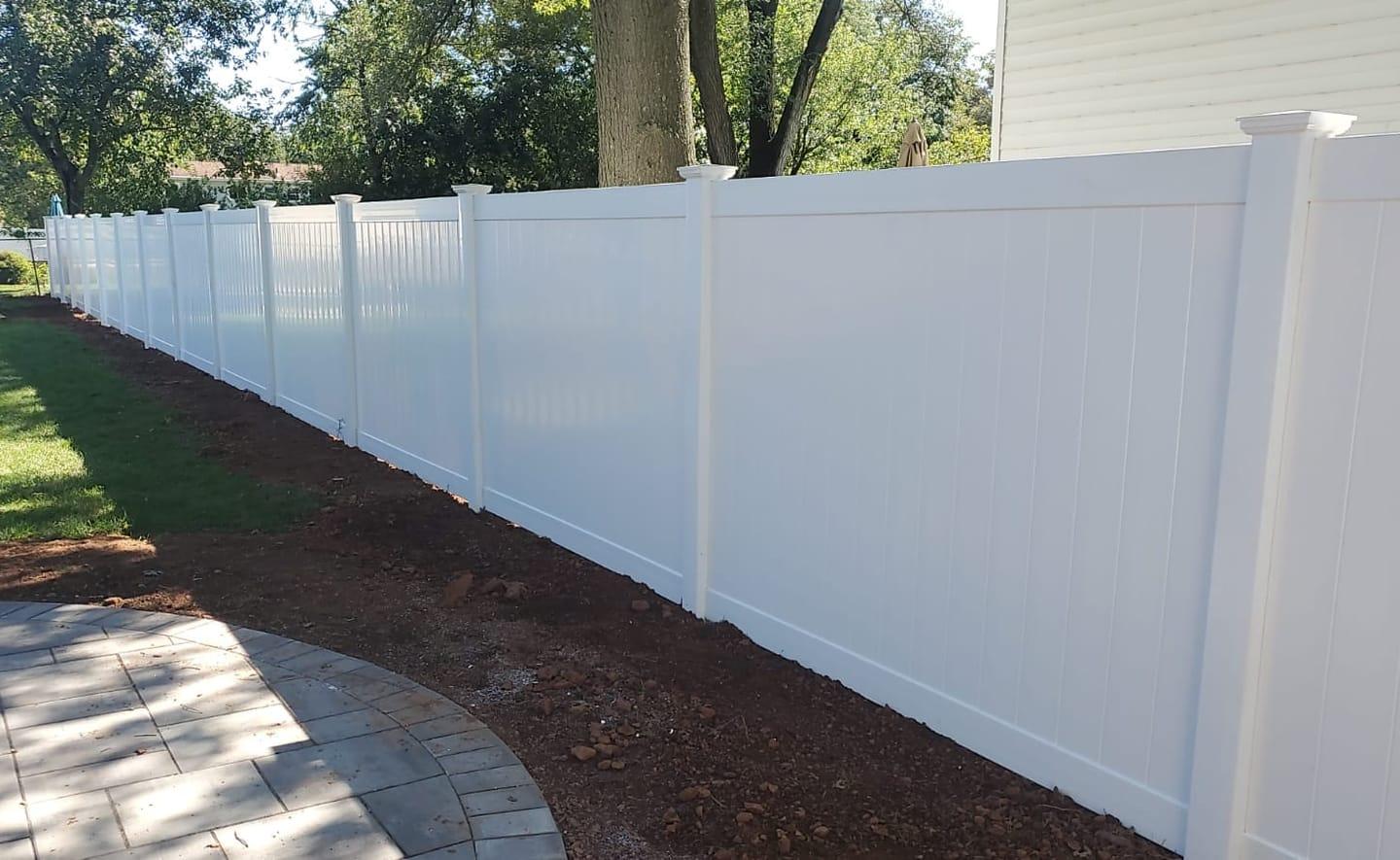
As a homeowner, choosing a fence to install on your property is one of the toughest decisions because of the varied materials and styles. Really, it helps most when this is known in detail. In this article, we'll explain what a PVC fence is and differentiate this from vinyl fences. By the end, you'll be clear about what kind of fence works for you.
Understanding PVC Fences
What Is PVC?
PVC stands for polyvinyl chloride. It is a type of plastic predominantly used for plumbing and building construction. It is strong and rigid, and it can withstand many environmental stresses. For fencing, it is considered one of the most installed types for homes because of the many benefits associated with PVC.
Features of PVC Fences
PVC fences will continuously be in service for many, many years. They are very hardy, resistant to warping, rot, and insects—all characteristics that give them much desirability for application outdoors. One of the features homeowners find most appealing is their low maintenance. Whereas wood fences require periodic staining or painting, a PVC fence requires only an occasional wash with soap and water to keep it looking new.
Fences made from PVC come in a number of styles and colors to let you complement the look of your house. From the classic white picket fence to more sleek, modern creations, there is always one that meets your taste.
Benefits of PVC Fences
Durability: PVC fences are built to withstand adverse weather conditions and common, everyday wear and tear. They last for decades without degrading significantly.
Cost-Effective: Even though the upfront cost for a PVC fence is greater than that of some other materials, it is eventually cost-effective because the long-term savings from reduced maintenance and replacement offset the greater cost.
Easy Installation: The installation of a PVC fence is not overly complicated. While hiring a pro simplifies the task, many homeowners find it doable enough to take on as a DIY project.
Eco-Friendliness: Most PVC fences are fabricated from recycled material and can be reprocessed at the end of their life cycle, thus making them eco-friendly.
Vinyl Fencing
What Is a Vinyl Fence?
Vinyl fencing, another durable option, is made from a type of plastic called vinyl. Vinyl fences have been on the market for several decades; over the years, their quality and appearance have drastically improved. Vinyl fences are loved by many due to their numerous advantages.
Features of Vinyl Fences
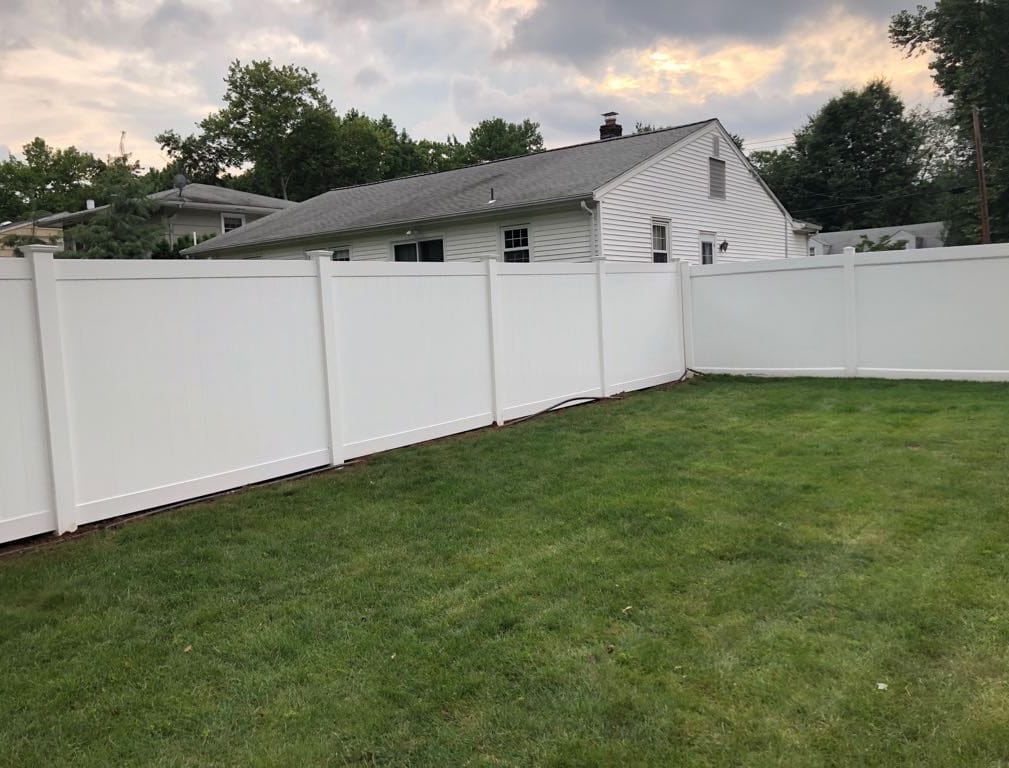
Vinyl fences bear a lot of resemblance to PVC fences, as they are highly durable with low maintenance. They will not rot, attract pests, or weather badly, and in general they hold up well over the years. Vinyl fences come in a wide variety of styles and colors to bring flexibility in design.
Pros of Vinyl Fences
Durability: Vinyl fences, like PVC fences, are very durable. They require no painting or staining. It, therefore, takes less time and money to maintain them.
Easy to Clean: Cleaning vinyl fences is easy. It only requires soap and water. This makes the process of maintenance straightforward.
Style Options: There are many styles of vinyl that you can select from to suit your home, ranging from classic through to modern, ensuring a perfect fit for your home.
Comparison Between PVC and Vinyl Fences
Material Comparison
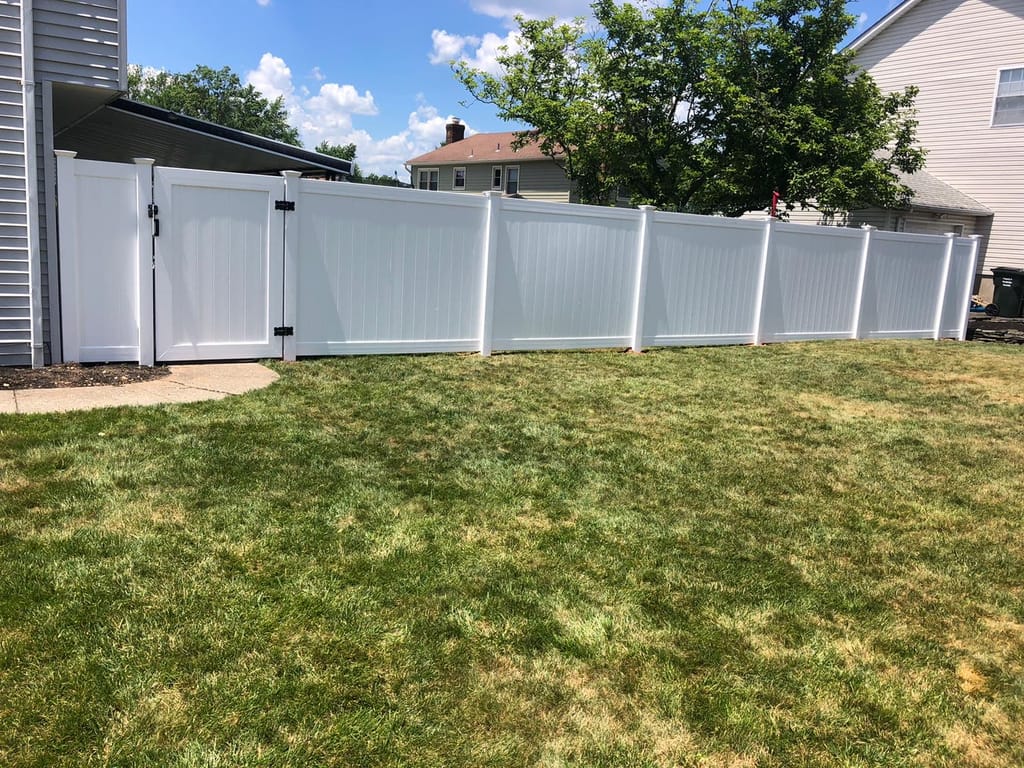
One common point of confusion in this regard is the difference between PVC and vinyl. Basically, PVC is a type of vinyl. When people talk of vinyl fences, most of them actually mean fences made from PVC. The difference often has to do with the type of manufacturing process and formulation used, which affects the performance and appearance of the resulting fence.
Durability and Strength
Both PVC and vinyl fences are very strong, but there can be slight variations. For example, some PVC fences are built for the roughest weather environments, while others, like vinyl fences, will afford a little more flexibility in design.
Aesthetic Difference
PVC and vinyl fences are available in a wide variety of styles and colors. However, some feel that PVC fences have a slight edge in aesthetic appeal, with a much more polished and refined look. Vinyl fences are equally attractive, though, and the choice often comes down to personal preference.
Cost Comparison
The cost of PVC and vinyl fences will vary by a number of factors, including the product itself and the costs of installation. In general, PVC fences are a bit more on the high side in terms of the up-front cost, but this usually is offset over the long term by reduced maintenance and replacement costs, which makes them a better investment.
Maintenance Requirements
Both fence types are very low maintenance, requiring an occasional cleaning at most. Note, however, that some PVC fences have gone a step further in the addition of UV inhibitors and other protective coatings to give them a more realistic look, longevity, and almost zero maintenance.
Common Misconceptions
Interchangeability Myth
Most of the public uses the terms PVC and vinyl fences interchangeably. This is understandable, as PVC is a form of vinyl, but differences in formulation and manufacturing processes can put one over the other in quality, aesthetics, or performance. Understanding these subtleties will let you make a more informed decision.
Myths About Quality and Performance
Some may argue that either PVC fences or vinyl fencing is inherently superior to the other. The truth is, both are very good in quality and performance. What will work for you best will depend on your particular needs, budget, and taste.
Choosing the Right One for Your Home
Things to Consider
The following are some of the things you should consider when deciding between a PVC and vinyl fence:
Budget: Determine how much you can afford for the initial installation and for any ongoing maintenance over the long term.
Aesthetic sense: Pick a style and color that will blend with your home's color scheme and your taste.
Climatic and Environmental Problems: Consider the local weather conditions and how wind, rain, or other elements can affect the longevity or performance of your fence.
Professional Recommendation: Consulting a professional fencing expert will give you an overview tailored to your situation. They can assess needs, advise on materials, and do installation.
Conclusion
It can be rather difficult to choose between a PVC vs. vinyl fence, but the differences and advantages above can help. Both PVC and vinyl fences are durable, need little maintenance, and are stylish enough to suit any home. You can choose the right one for your property by considering the budget or aesthetics or the environment. Talking with a professional gives more peace of mind in making this essential decision for your home.