
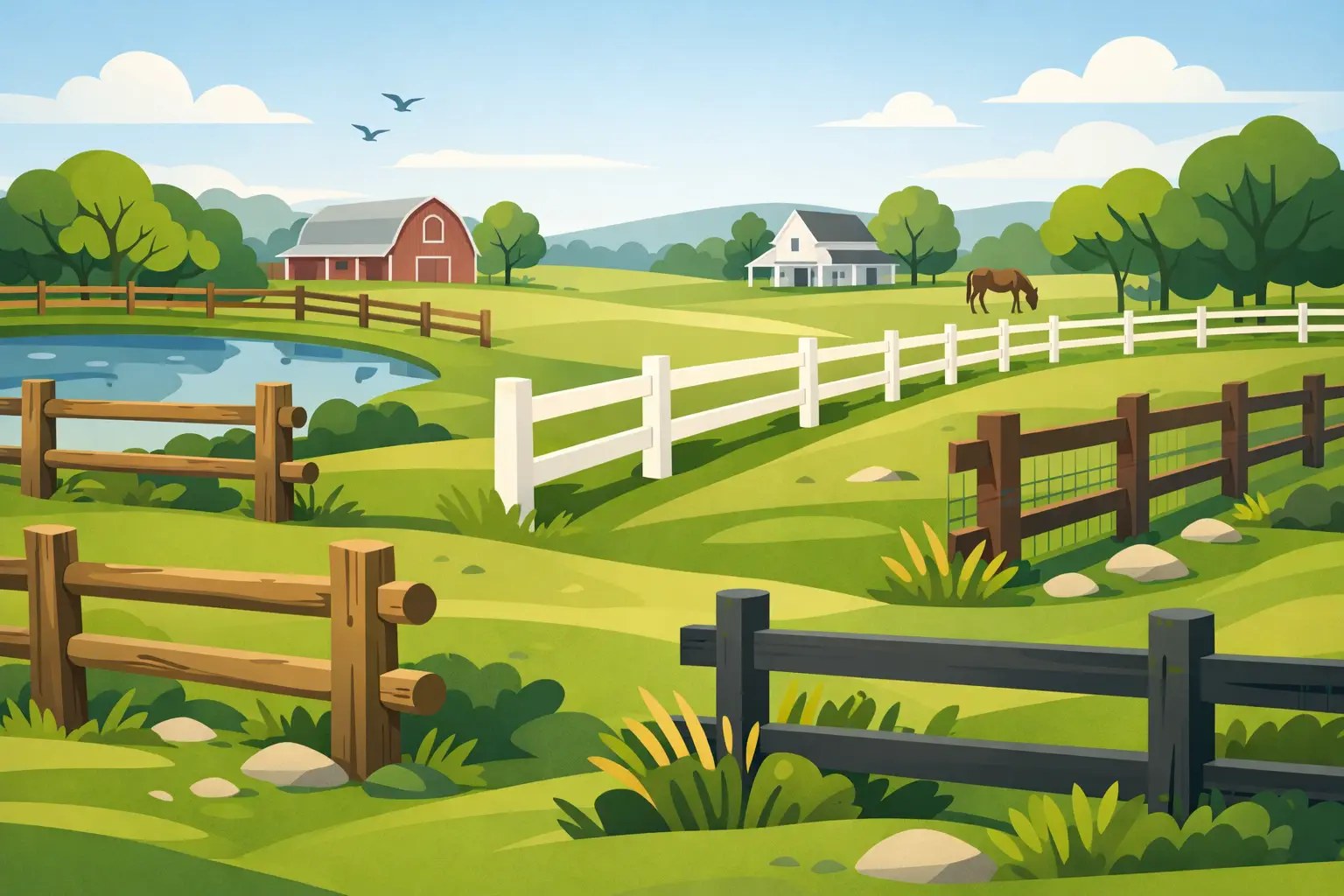
A post and rail fence can make a property feel finished without making it feel closed in. For New Jersey homeowners with open lawns, long driveways, horses, dogs, or a backyard that needs a clear edge, the right post and rail fence ideas create order, curb appeal, and everyday practicality at the same time.
Unlike a full privacy fence, post and rail fencing lets light and sightlines move through the yard. That open look is exactly why it works so well around larger properties, front boundaries, garden areas, and driveways. The best design depends on what you need the fence to do—define a boundary, help contain pets, protect landscaping, or simply give the property a more polished look.
Start with How You Will Use the Fence
A beautiful fence still has to work for the people, pets, and vehicles that use the property every day. Before choosing rail spacing, height, or material, think about where people enter the yard, where a mower needs access, and whether children or animals need a more secure perimeter.
A traditional two-rail fence is often enough for a decorative front boundary. A three-rail layout creates a stronger visual line and is a popular choice along driveways and larger side yards. If the fence will help contain a dog, keep small animals out of a garden, or define a pool-adjacent area, an open rail design may need wire mesh or another compatible barrier added behind it.
Local property lines, utility locations, municipal rules, and homeowners association requirements should also be checked before installation. A fence that looks right on paper can become a problem if a gate swings into a driveway, posts interfere with a drainage path, or the height does not meet local requirements.
12 Post and Rail Fence Ideas That Work
1. Classic Three-Rail Wood Fence
The three-rail wood fence is the familiar choice for a reason. It gives a broad lawn or driveway a clean, traditional frame without hiding the home or landscape. Cedar offers natural beauty and good resistance to decay, while pressure-treated pine can be a more budget-conscious option when properly installed and maintained.
This style is especially effective for Colonial, farmhouse, and traditional New Jersey homes. It needs periodic care, including inspection for loose rails, moisture damage, and finish wear, but the warm character of real wood is hard to duplicate.
2. Two-Rail Front Yard Boundary
A two-rail fence is simple, understated, and ideal when the goal is visual definition rather than containment. It can follow the front property line, trace the edge of a corner lot, or separate lawn from a landscaped planting area.
Because it uses fewer materials, this option may be more affordable than a three-rail design. The trade-off is that it has less presence and does little to keep pets or children inside the yard on its own.
3. Split Rail Fence for a Rustic Setting
Split rail fencing has a rugged, natural profile that suits wooded lots, garden borders, and homes with a more informal landscape plan. Its rough-hewn appearance feels at home beside stone, mulch beds, native plants, and gravel driveways.
For homeowners who want the look but need more security, black welded wire mesh can be attached to the inside of the fence. From the street, the wire is far less noticeable than a solid fence, while dogs and small animals are less likely to pass through the rails.
4. Black Vinyl Post and Rail Fence
Black vinyl post and rail fencing delivers a crisp, high-contrast look with less maintenance than wood. It pairs well with modern exteriors, white siding, brick homes, and clean landscape designs. It also avoids the repainting, staining, and splintering concerns that come with natural lumber.
Vinyl is not the right choice for every property. Homeowners looking for a weathered, natural finish may still prefer cedar or split rail. But for a clean, consistent appearance that is easy to care for, black vinyl makes a strong statement.
5. White Vinyl Ranch Rail Along the Driveway
A white ranch rail fence is one of the most recognizable post and rail fence ideas for suburban properties. Installed along a driveway or front lawn, it provides a bright, welcoming edge that looks organized without becoming visually heavy.
This style works best when posts are set in a straight, even line and the fence follows the natural flow of the property. On a curved driveway, a carefully planned layout prevents awkward angles and keeps the rails looking intentional.
6. Post and Rail with Black Wire for Dogs
For many families, a fence has to do more than look good. Adding black coated wire mesh to a wood or vinyl rail fence creates a safer enclosure for dogs while preserving an open-yard feel. The mesh can be installed on the inside face of the fence so the rails remain the main visual feature.
Choose mesh openings based on the size and behavior of the dog. A large, calm dog may need a different solution than a small breed that can slip through wide spacing or a determined digger that needs the wire extended below grade. Gate latches matter just as much as the fence itself when pet safety is the priority.
7. Garden and Landscape Border Fence
Post and rail fencing does not need to surround an entire property. A low, two-rail section can define a vegetable garden, protect a planting bed from foot traffic, or separate a play area from a driveway.
This is a smart option for homeowners who want a custom landscape feature without the cost of fencing every side of the yard. Keep the design proportional. A tall, heavy rail fence can overwhelm a small garden, while a lower section creates structure without taking attention away from the plants.
8. Mixed-Material Fence with Stone Posts
For a more upscale entrance, use masonry or stone-clad columns at key points and connect them with wood, vinyl, or composite rails. This design works particularly well at driveway entrances, where the columns can also support address numbers, lighting, or a custom gate.
It costs more than a standard all-wood or all-vinyl installation, and it requires careful coordination between materials. Done well, however, it gives a property a permanent, tailored appearance that complements brick, stone veneer, and upscale hardscaping.
9. Post and Rail with a Matching Driveway Gate
A gate changes a boundary fence into a functional entrance. A simple single gate can close off a garden path or side yard, while a wider double gate provides access for vehicles, trailers, lawn equipment, or service crews.
The gate should match the rail style, but it also needs the right hardware and support posts. Gates are moving parts, so undersized posts and weak hinges create sagging and alignment problems over time. A custom gate built for the opening and installed correctly is worth the attention.
10. Four-Rail Fence for Large or Sloped Lots
Four rails create a stronger visual barrier and can look especially sharp on a long property line or a lot with gradual elevation changes. More rails also reduce the open spaces between them, which may be useful around larger animals or where a more defined edge is preferred.
On sloped ground, the layout needs to be planned carefully. The fence can step down in sections or follow the grade, depending on the material, terrain, and desired look. A professional layout helps avoid uneven rail spacing and exposed gaps below the fence.
11. Natural Cedar Fence with a Clear Sealer
Cedar is a favorite for homeowners who want warmth, grain variation, and a more refined wood appearance. A clear or lightly tinted sealer protects the surface while allowing the natural color to show through. Over time, cedar can weather to a soft gray if left unfinished, which some homeowners prefer.
This choice is about appearance as much as performance. Cedar typically costs more than pressure-treated pine, but many property owners feel the finish and character justify the investment, especially for a highly visible front or side boundary.
12. Rail Fence Paired with Privacy Sections
Not every part of a yard needs the same type of fence. Use post and rail along a front property line or scenic side yard, then transition to privacy fencing near a patio, pool area, neighbor-facing boundary, or trash enclosure.
This mixed approach gives you openness where it adds curb appeal and screening where it adds comfort. The key is choosing materials and colors that work together so the property feels designed as one whole space rather than fenced in pieces.
Details That Make the Fence Look Better Longer
A post and rail fence is only as good as its layout and installation. Straight runs should be measured carefully, corners should be solid, and posts need proper depth for New Jersey's seasonal ground movement. Poorly set posts can shift, lean, or pull rails out of alignment after repeated freeze-thaw cycles.
Material selection also matters. Wood offers a natural look but requires maintenance. Vinyl provides a cleaner, lower-maintenance option but has a different visual character. Wire mesh adds security, though it should be installed neatly enough that it supports the design instead of distracting from it.
Northeast Fencing, LLC helps homeowners choose the rail style, material, gate configuration, and added security features that fit their property instead of pushing a one-size-fits-all solution. A well-planned fence should look right on installation day and continue doing its job through years of weather, pets, landscaping changes, and daily use.
The most successful post and rail design is the one that gives your property a clear boundary while still letting it feel like your property—open, welcoming, and built for the way your family lives outside.