
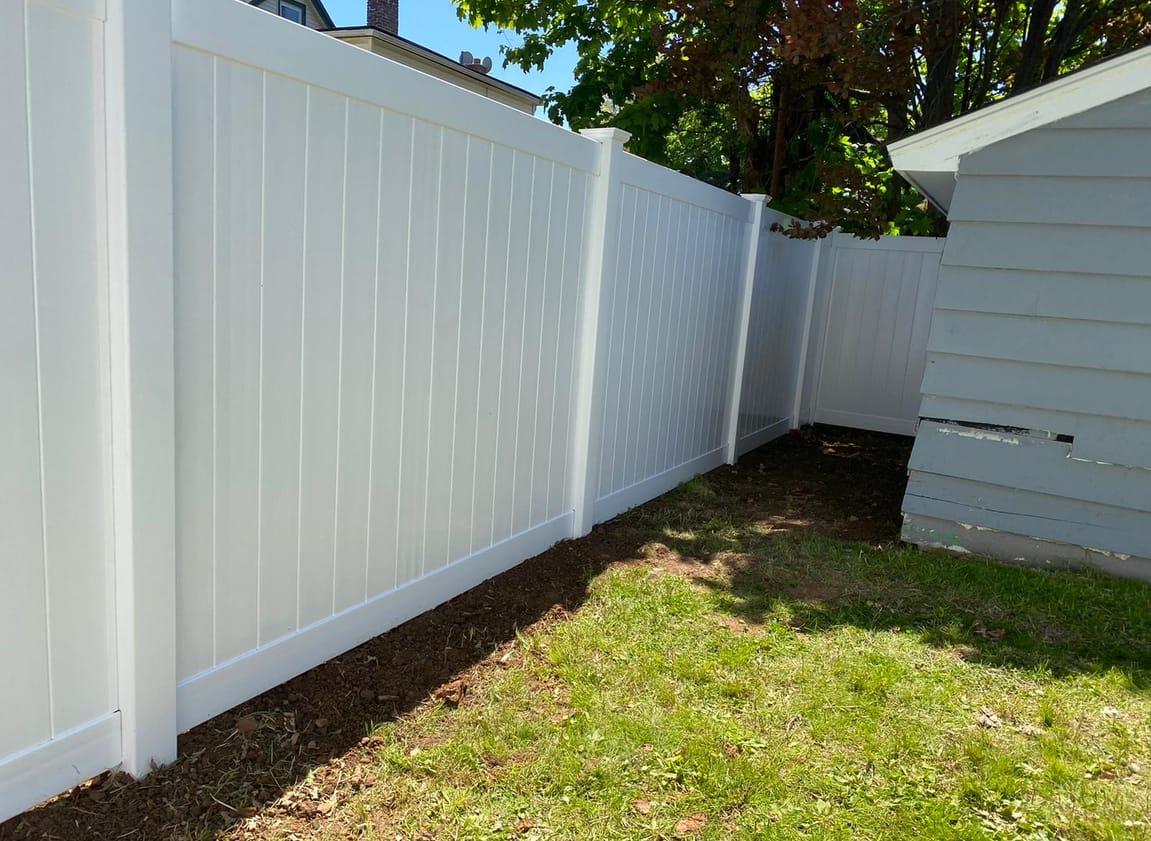
Hello, neighbors! If you're thinking of installing a privacy fence on your property, most likely, you've asked yourself, "Just how tall should this thing be?" You are not alone. As a fence installer for over 17 years, I can attest that choosing the right fence height is indeed very important and, candidly speaking, it is not as simple as it may seem.
For a variety of reasons, privacy fences are great: they keep the nosy neighbors at bay, add an extra layer of security to your property, and even hike up curb appeal for your home. But before you start envisioning that perfect backyard oasis, let's get down to brass tacks about fence heights in the Garden State.
Understanding NJ Fence Height Regulations
State and Local Laws
First things first: New Jersey has some pretty particular rules as it concerns fence heights. But here's the kicker: these regulations can change, depending on where you live. Speaking overall, most towns in NJ allow for backyard fences up to 6 feet tall. The fronts are usually capped off at 4 feet.
Permits and Approval
Pro tip: Always, and I do mean always, check with your local authorities or HOA prior to breaking ground. It will save you a whole lot of headaches.
I once had a client who decided to take the DIY approach to installing a fence. He installed this gorgeous 7-foot fence around his property and a week later, the town was at his door. It just so happened that he actually needed a permit for anything over 6 feet and he had to tear the whole thing down and start over. Facepalm, right?
Variance Requests
Well, now if your heart's set on a taller fence, it is not all doom and gloom. You can apply for what's called a variance. It's simply asking for permission to bend the rules a little. Just keep in mind that this may take some time and does not always get approved.
Practical Considerations for Privacy Fence Height
Desired Privacy Level
Where privacy is concerned, height is everything. My experience is that for most suburban New Jersey folks, a 6-foot fence does the trick. That's tall enough to keep prying eyes out, at least when your neighbors are nosy or homes are close together.
Security Concerns
So, let's talk about security for a sec. A taller fence – even as little as 5 to 6 feet – can significantly deter a person who wants to try and get in. It's not just because it's harder to climb over, but also because they can't see what you have going on in your yard. In other words, if they can't see it, then they probably won't try anything funny.
Wind and Weather
Now, of course, if you do happen to live in one of New Jersey's coastal areas, well, you do have another factor: wind. A taller fence provides you with a nice barrier to the wind, giving you some relief from those gusty days. But here's the rub – it also means your fence will catch more of a beating from Mother Nature.
If you're going tall in a windy area, make sure you're using sturdy materials and beef up the construction. Nobody wants their fence to turn into a sail during the next nor'easter!
Common Fence Heights and Their Benefits
4-Foot Fences
Four-foot fences are your go-to for front yards. They do a great job establishing a boundary without closing you off from the outside world. Plus, they are usually right on par with most local regulations.
I have installed a number of 4-foot picket fences in quieter neighborhoods, and man, they add such a charming touch to the front of a house. They're great if one wants that classic "white picket fence" without overdoing it.
6-Foot Fences
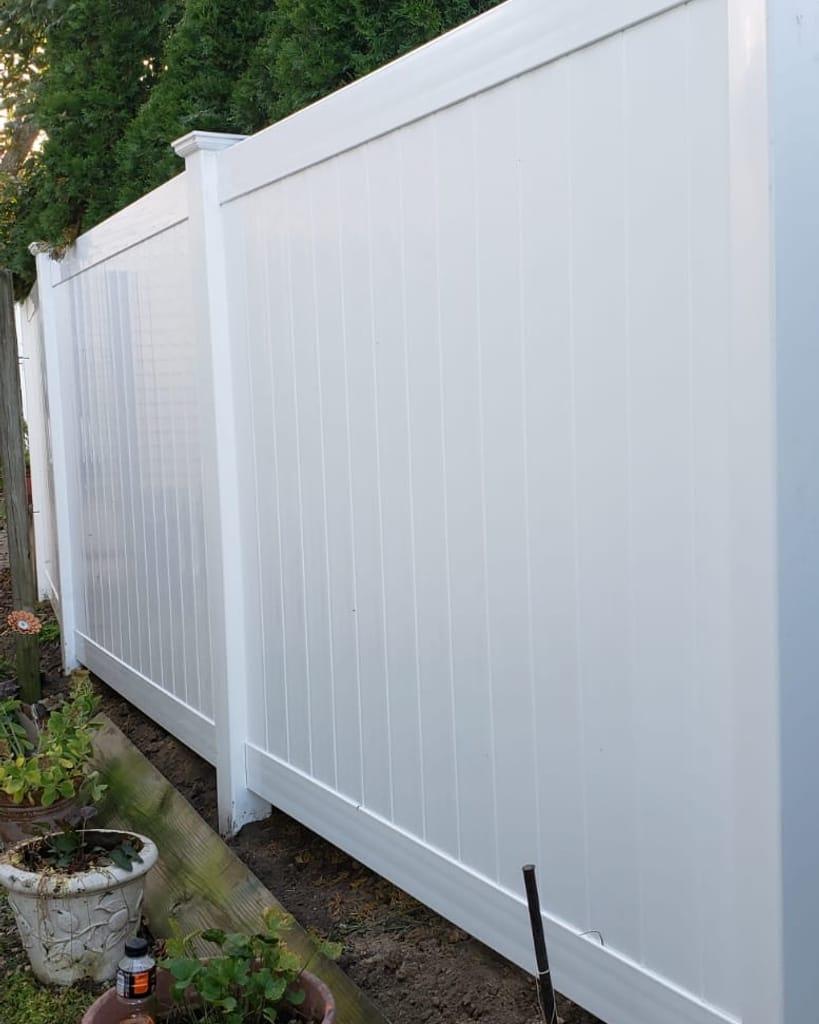
Now we're talking privacy! Six-foot fences are the most common and popular for the most part for backyards – and for a good reason. They provide great coverage and security without feeling too imposing.
I mean, I have had clients who have kids or pets just rave about their 6-foot fences. It helps them feel contented, knowing the little ones stay safe and secure in the backyard – whether those little ones walk on two legs or four.
Pro tip: A 6-foot fence can also block views from most second-story windows in neighboring homes. So if you've got a two-story house next door, this height is your best bet for maintaining privacy.
8-Foot Fences
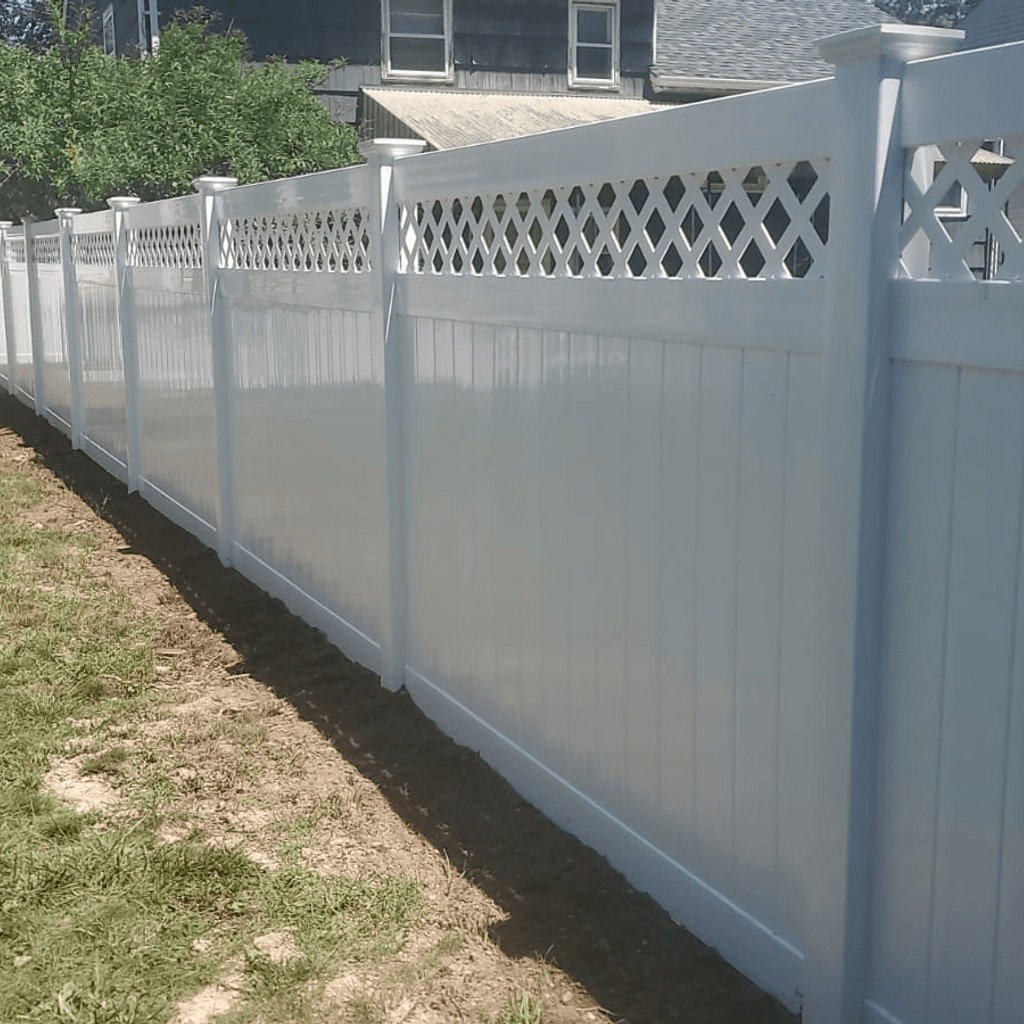
Generally, eight-foot fences are the big guns, not super common, and in most areas, a special permit usually has to be pulled out for installation. If you have really serious issues with privacy or noise, they may be the game changer you have been looking for.
I once did an 8-foot installation for a family whose house was right next to a busy road. The additional height made their yard totally private and cut down the road traffic noise level by a great degree. It transformed their backyard into a soothing retreat from what was an exposed and noisy spot.
Fence Height and Property Layout
Sloped or Uneven Terrain
Sloped yards are one of the biggest challenges in fence installation. If your property isn't perfectly flat, you need to thoughtfully plan your fence height. I remember a job in the hilly part of Somerset County; a standard 6-foot fence looked great on one end but was just about waist-high at the other end because of the slope. We ended up using a stepped design: We kept each section at 6 feet but changed the height as we went along the slope. This took a little more planning, but the result was a fence that looked great and gave consistent privacy throughout the yard.
Neighbors and Shared Boundaries
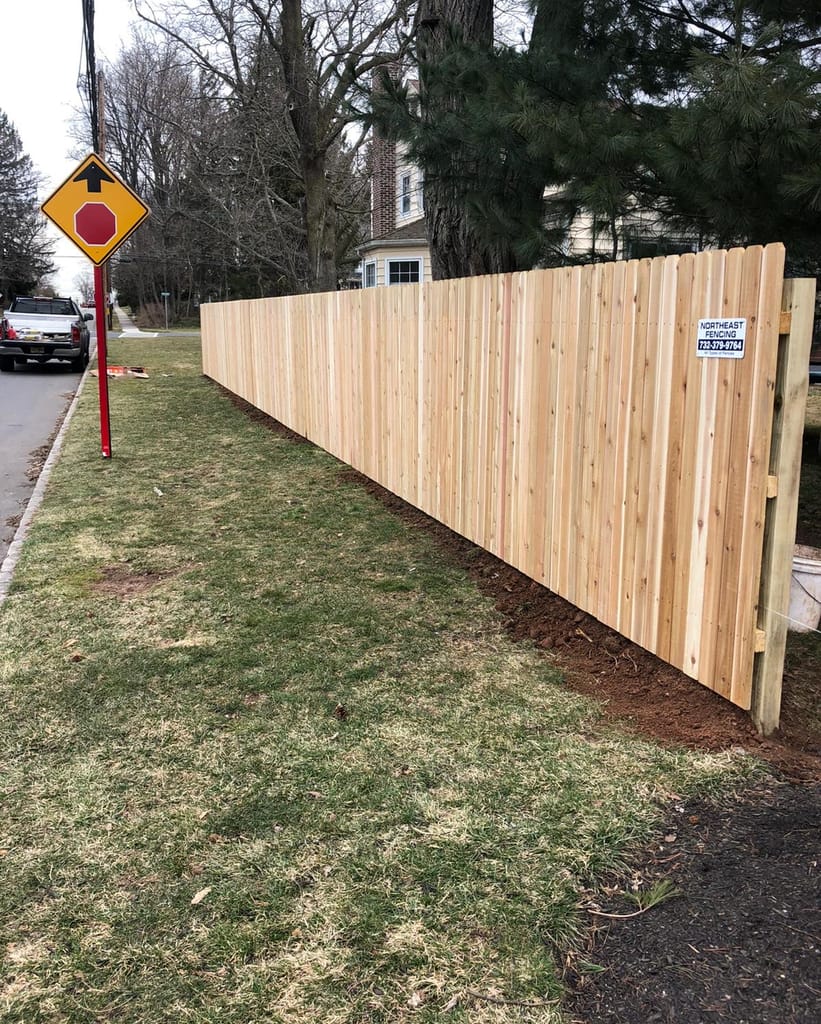
Here's a word of advice that will save you a whole lot of headache: have a talk with your neighbors before building, especially when the fence will lie on a shared property line.
I have seen fence projects develop into neighborhood dramas, but I have also witnessed how neighbors come closer to each other. Among my favorite projects was the one belonging to two families in Essex County who decided to split a privacy fence cost between their properties. Jointly they decided on a height and style that suited both parties, and became the proud owners of an excellent-looking fence, complementing both properties.
Outdoor Spaces
And of course, one final consideration when it comes to your fence height is how it's going to impact your outdoor living areas. Whether you have a patio or a pool, you might want extra privacy in those areas.
Material Considerations for Tall Fences
Wood
Traditionally, wood has been the usual material for privacy fences. It is also very adaptable to heights, be it 4 feet or even 8 feet.
Just remember, taller wood fences may take a little more care. I usually suggest thicker boards and additional support posts for a wooden fence greater than 6 feet tall. A little more money upfront will save you the headache of dealing with a leaning or sagging fence later on.
Vinyl
Go with vinyl if you're looking for something low maintenance. It's great for higher fences, especially since it really holds up well against the sometimes-harsh New Jersey weather.
Composite and Metal
Those people who would wish to have the most durable fences with the least maintenance should consider composite and metal fences, especially for taller ones.
Not long ago, composite fences were more often the choice of many homeowners. They have the appearance of wood without the care, which is a plus for those families who are busy or who would rather spend weekends playing golf than staining fence boards.
Cost Implications of Taller Fences
Material and Installation Costs
Let's talk money for a minute. You can almost imagine that taller fences are more money, and rightfully so, since you are using more materials. It's not just the extra boards or panels, though. More often than not, taller fences come with deeper post holes, stronger posts, and more concrete to hold the fence in place. All those factors add up as far as materials and labor costs are concerned.
I always encourage my clients to look at their fence as an investment. Yes, that 6-foot fence may cost a bit more than a 4-foot fence, but if this can give you the privacy and security you need, then it is well worth it.
Long-Term Investment
Speaking of investments, a well-built, correctly sized fence can add real value to your property. I have had clients tell me that their privacy fence was a selling point when they put their house on the market.
And besides, consider your peace of mind that comes along with it. I remember there was one customer in Union County who was single-parenting and was worried about how much a 6-foot fence for her backyard was going to cost. A year later, she called me and said it was the best decision she ever made for home improvement. She loved being able to let her kids and dog play freely in the yard without having to worry about them getting away or being watched by neighbors.
Conclusion: Finding the Right Height for Your NJ Privacy Fence
There you have it – everything you needed to know to determine the right height for your New Jersey privacy fence. Keep in mind, your ideal fence height is dependent on a combination of factors, including:
1. Local regulations and rules from the HOA
2. Your specific needs for privacy and security
3. The layout of your property
4. Your budget and long-term plans for the home
My best advice? Take some time to really think about what you want from your fence. Walk around your property at different times of day to see where you might need more privacy. Talk to your neighbors. And most importantly, do not hesitate to speak to a local expert on the art of fencing.
From ornamental to privacy fences, we have truly seen it all when it comes to New Jersey fencing, and we're here to help guide you through the process of everything from picking out the right height and material for your needs to making sure everything is to code.
Remember: A good fence does more than just mark your property line; it builds a space where you can be truly at home. So, take your time and make sure to do your research, and in no time, you will have the perfect privacy fence for your New Jersey home. Happy fencing, folks!