
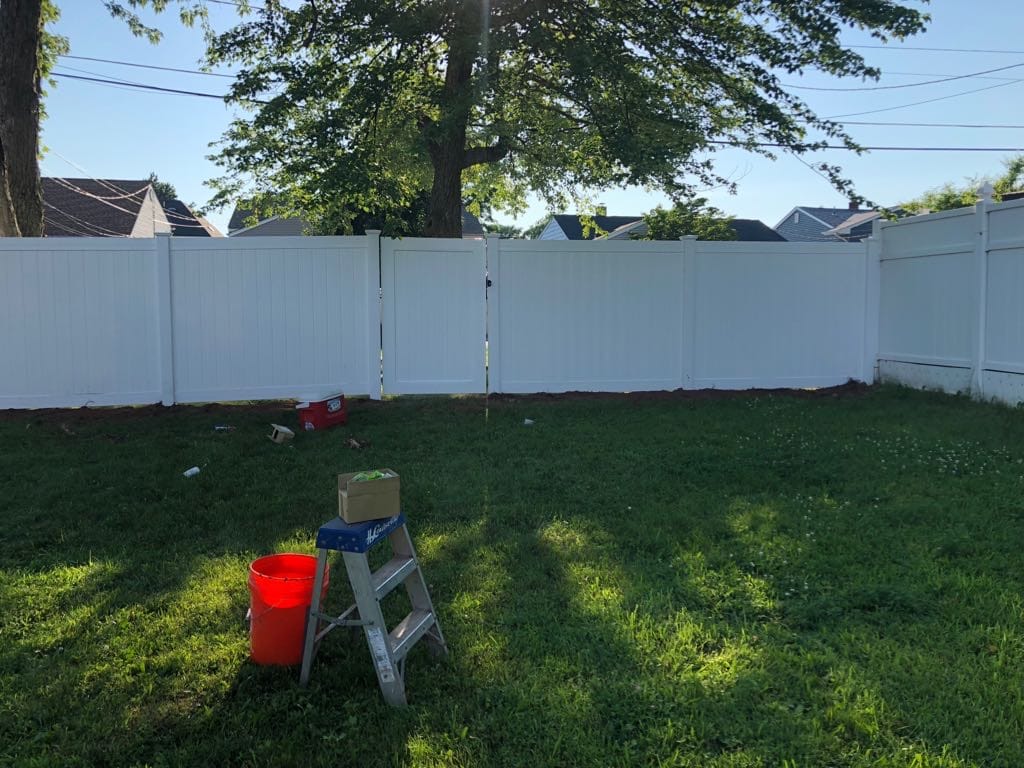
Being a professional in the field of fences for over 17 years, I have seen everything from a DIY budget installation to one-of-a-kind, top-of-the-line custom fence projects. One thing I've learned over the years is that fence installation is one of those big investments that provide extra privacy and value to your home. It's all about finding that sweet spot between quality and cost.
Today, I pull back the curtain and reveal 5 insider secrets that will save you big money on your new fence—without giving up quality. Whether your need is to create a cozy backyard oasis or boost your home's curb appeal, these tips will help you get more bang for your buck.
1. Choose the Right Material for Your Budget and Needs
Regarding fencing, the type of material chosen for the project can be relatively inexpensive or very costly. So, let's discuss the cost differences among some familiar fencing materials.
Material Cost Comparison
1. Wood: Generally speaking, it tends to be the least costly initially. It does vary in price with cedar or pressure-treated pine from $7 to $15 per linear foot.
2. Vinyl: A much higher upfront cost, ranging from $20 to $40 per linear foot.
3. Aluminum: Medium-range, costing from $15 to $30 per linear foot.
4. Composite: Higher-end options fall in the range of $20 to $45 per linear foot.
And now the secret: consider the long-term cost, not just the upfront prices.
I remember a client who insisted on putting in a wood fence because it was cheaper upfront. Sure enough, two years later, she began calling me, frustrated with the ongoing upkeep and slight warping. We replaced her fence with vinyl—an expensive upfront cost, I must admit, but well worth it since she has saved so much on staining, sealing, and repairs.
While wood may seem a bargain initially, materials like vinyl or aluminum will provide long-term savings due to their durability and very low maintenance needs. These types of materials are weather-resistant, require no painting or staining, and rarely warp or rot.
2. Plan the Layout to Avoid Unnecessary Costs
Efficient design is one of the best money-saving secrets for fence installation. You will be amazed at how much you can save, simply by carefully laying out your fence design.
- Avoid unnecessary corners because every corner requires an extra post and usually more labor, so it costs more.
- Limit the number of gates because gates are usually the most expensive parts of the fence.
- Straight lines mean less expense: Complicated angles or curves raise both material and labor costs.
I once worked with a homeowner who wanted a decorative fence with multiple curves and three gates. After discussing cost implications, we reworked the layout to include straighter lines and only two gates. This simple adjustment saved them more than $1,000 for the project!
Bonus Tip: Measure Twice, Buy Once
Always measure your property carefully before you buy the materials. I don't know how many times I've seen do-it-yourselfers end up with extra material they can't use or, worse yet, not enough to get the job done.
3. Do Some of the Work Yourself (but Know When to Call a Pro)
The point is, doing some of the work yourself can save you thousands of dollars. Here's what you can safely do yourself:
1. Take down the old fencing
2. Clear the fence line of vegetation
3. Dig post holes—if you don't mind hard work
4. Paint or stain the fence after installation
On the other hand, there are things better left to the professionals. I always say it is best to let pros handle technical areas of:
Setting posts—most crucial for the stability of the fence
Installing panels or pickets
Making sure the fence is level and aligned properly
I remember one client, Mike, who had saved almost $500 by removing his old chain-link fence and cleaning up the area before we started. He was so surprised at how much he had saved, just by putting in a weekend of work.
4. Buy Materials in Bulk and Shop Smart
Look for Bulk Discounts
If you have a large property or are fencing together with your neighbors, buying materials in bulk can bring considerable savings. Many suppliers offer bulk-order discounts and may even go as high as 10-15% off the price of materials.
Shop During Off-Seasons or Look for Sales
Insider tip: fence installation slows down in late fall and winter. That's usually when suppliers and contractors offer their best deals to drum up business. If you can plan your fence project in the off-season, you might save 10-20% on materials and labor.
I once saved one savvy homeowner over $1,000 on her vinyl fence by simply buying the materials during a January clearance sale. She then stored them in her garage until spring, and we installed it as soon as the ground thawed.
Additional Tip: Go Local
Where possible, use locally sourced materials. This not only helps your local economy but also helps you pay less in shipping or any other additional fee above and beyond the ordinary charges for transport over a long distance.
5. Get Multiple Quotes and Negotiate
Never accept a quote without getting several others first. This gives you negotiating power with the contractor to either offer better rates or provide more services for the same amount of money.
Bundle Services or Ask for Discounts
Package deals are available from many contractors. If you need to install fencing, you might get a rate discount if you add in old fence removal or other services such as staining.
Don't be afraid to ask for discounts. Many contractors will offer reduced rates if it's for referrals, seasonal promotions, or cash payments.
I recently worked with a couple who saved 15% on their total project cost by negotiating a package deal that included fence installation, old fence removal, and staining. They weren't afraid to ask, and it paid off big time!
Don't Sacrifice Quality for Short-Term Savings
While all these tips can help you save money, bear in mind that quality should not be compromised just to save money in the present times. Shortcuts on major things, like post-setting or using wood without treatment, might lead to more costly repairs or replacement afterward.
I once had a client who insisted on using the cheapest possible materials for his fence. Within a year, the fence was leaning and several boards had warped. The cost to repair and reinforce the fence ended up being more than if he had invested in quality materials from the start.
Choose a Reputable Contractor
Working with a reputable, trusted contractor who offers warranties and uses quality materials may cost slightly more upfront but could save you from headaches and additional expenses in the future.
Conclusion: Save Smart on Your Fence Installation
To sum up, here are the 5 secrets to saving big on your new fence:
1. Pick materials that consider long-term savings
2. Plan an efficient layout
3. Do it yourself where possible, but know when to bring in the professionals
4. Purchase materials in bulk and shop during the off-seasons
5. Get multiple quotes and do not be afraid to negotiate
By following these strategies, you'll be able to greatly cut your fence project costs without sacrificing quality. Remember, a well-installed fence is an investment in security, privacy, and home value.
Follow these tips for your fencing project, but also use your instincts. If the deal seems too good to be true, then it most likely is. The goal is to find that perfect balance between cost-effectiveness and quality that will yield a fence you will be proud of for years to come.
With these insider secrets, the professional contractors are ready to help you get started on your fencing project. And who knows, the money you save may just be enough for that patio furniture set you've been eyeing to complement your new, beautifully fenced backyard!